
I grew up desperately wanting to fit in.
Not in a dramatic, obvious way, more like the quiet, exhausting kind of shape-shifting you do when you're not quite sure who you are but you're very sure you don't want to be left out. I changed my opinions to match the room. I softened my edges. I tried on different versions of myself like outfits, looking for the one that would finally make people say yes, you belong here.
What I didn't realise then was that the version of me that would finally feel like home was the one I was working hardest to keep hidden.
I grew up in a small, rural, conservative English town. My family had a traditional Christian background where homosexuality wasn't something people talked about. The girls I grew up around were going to grow up, marry men, and have families. That was the story. I tried to follow it. I dated men. I wondered why relationships didn't work. I settled into life with a male partner and couldn't quite figure out why I felt so hollow.
The interviewers who've asked me over the years; "what was it like living a lie?" don't quite have it right. It wasn't a lie I was telling others. It was a truth I hadn't yet told myself. Something buried so deep it barely had a name.
When it finally surfaced, I didn't throw open a door and step joyfully into the light. I sat with it for a long time. I turned it over. I worried. Mostly, I worried about the people I loved most.
When my mum helped me proofread my first book, she got chapters one through eight. I quietly left chapter nine out of the pack I sent her, because chapter nine had this story in it. And if she read it, I'd have to tell her. I wasn't ready for that yet. I needed to choose my moment, on my own terms.
That's what people don't always see when they think about coming out. It's not one conversation. It's a hundred small calculations. Who do I tell first? What if they love me less? What if this changes everything? I was so afraid that the people who mattered most would step back from me, that I'd trade one kind of loneliness for another.
I'm married now. I'm comfortable in my own skin in a way I genuinely didn't believe was available to me for a long time. And all my loved ones still love me – they love me for who I am now rather than who I’m trying to be and that feels different.
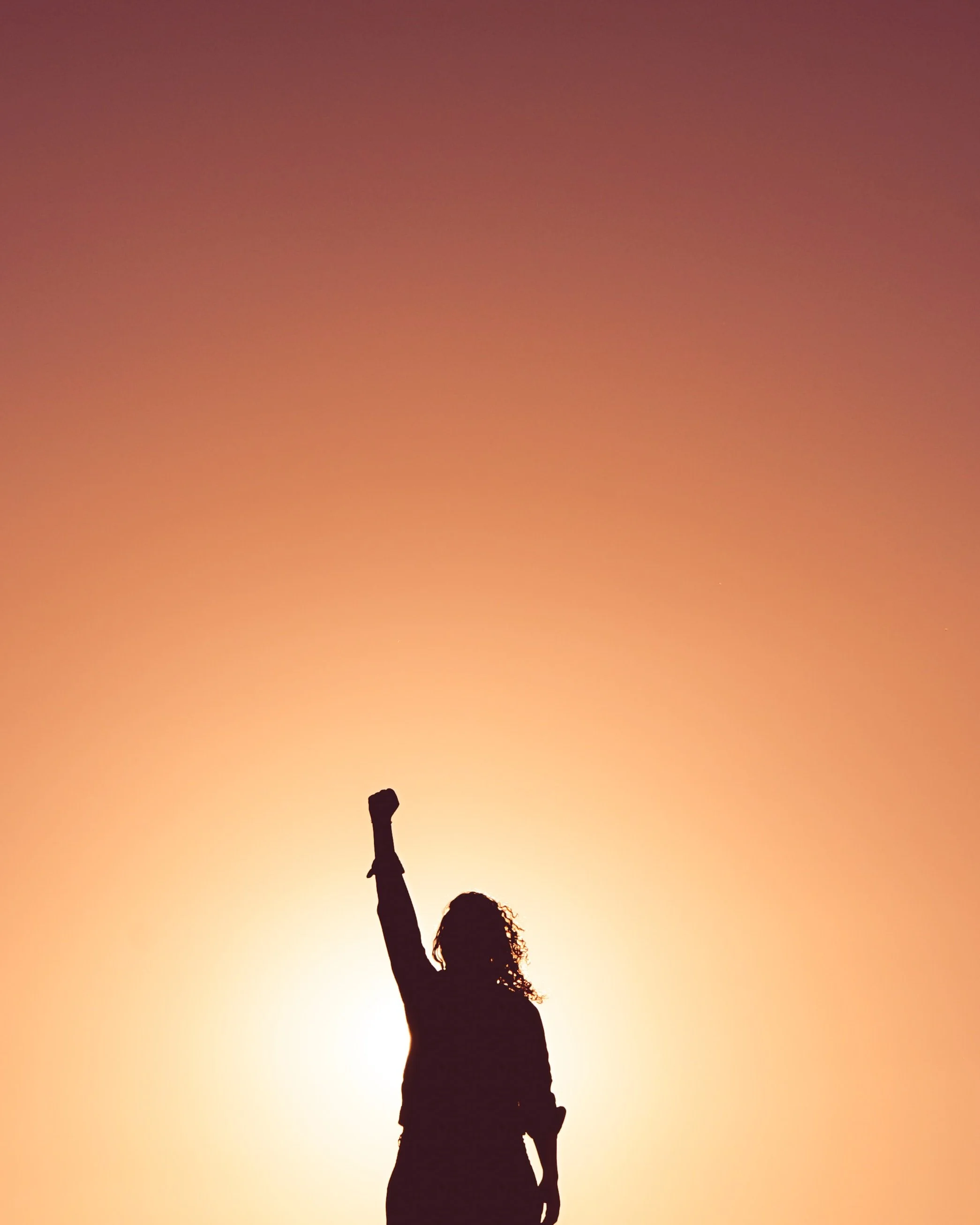
When I think about what pride means to me, it's not really about marches or flags or visibility campaigns, as important as all of those things are for where we are today. For me, pride is something quieter and harder-won. It's the moment you stop performing a version of yourself and start just... being. It's sending chapter nine to your mum. It's referring to your partner as she without bracing for the reaction. It's knowing that the people who truly love you love you, not the carefully managed version you spent years presenting to the world.
Pride, for me, is belonging to yourself first.
I spent so many years chasing a sense of belonging that I thought lived in other people's approval. What I found, slowly and imperfectly, is that belonging starts on the inside. When you know who you are and stop apologising for it, you stop needing the room to validate you. Some rooms still won't. Some people still won't. That's real, and it still stings sometimes. But it no longer shakes the foundation.
Brené Brown wrote something that stayed with me long before I came out: "If you trade in your authenticity for safety, you may experience the following: anxiety, depression, eating disorders, addiction, rage, blame, resentment, and inexplicable grief." I'd read those words and felt them somewhere I couldn't name yet. Now I understand exactly what she meant.
This month I see rainbows everywhere, and I feel something I didn't used to feel: proud. Not because my life looks a particular way, but because it finally looks like mine.