

The world has changed over the last century. Back in the days when women had no rights and no vote, they needed men to open bank accounts and could not earn money of their own. Now women are earning their own money and living in the world independently and if they partner with a man, it’s through choice. But it’s a choice not every woman is making, increasingly so.
By 2030, 45% of women in the US, aged between 25 and 44, will be single according to Census Bureau and Morgan Stanley forecasts, the largest it’s been in history.
There used to be shame if women didn’t marry a man (think ‘spinster’) and your worth as a woman was all about the man you could attract and ‘settling down’ to have a family. Not so much these days.
I don’t choose my partners based on gender but on what they’ll add to my life. If the answer is nothing – or even that they’ll make my life harder by expecting me to cook, clean, bring up their kids and manage their emotions, I’m probably going to pass. I also no longer choose to partner with men.
Many women are now thinking ‘I’ll only partner with you if you add something to my already great life’. So if I was a man right now I’d be thinking “what can I do to be one of those men rather than becoming angry about the increased choices women now have”.
The irony of this juncture in humanity is that women have been doing this for years. Our lives used to revolve around the things we could do to make sure we were the ones men picked. Our finances and lives literally depended on it – they don’t anymore.
Whether it’s body size, make up, the clothes we wear, the behaviours and etiquettes we were quite literally taught to be feminine and fit the expected mould created by men. Women have spent generations changing themselves to be ‘chosen’ by men and now the shoe is on the other foot and many men are angry.
This system didn’t just harm women though, it’s harmed men too – so I get the frustration. Men were encouraged not to show emotions and taught that women would carry that for them and their family. That it was a women’s job to look after them and the expectation is they would leave home, get a wife and build an identity around protector and breadwinner. This sand is now shifting under their feet and is requiring some unlearning and relearning – it’s hard.
It’s why we’re seeing a backlash, a rise of the far right and manosphere telling us all we’d be better off going back to how it was and stripping women of rights so they have to rely on men again. It’ll be better, we’re told – for men of course. I understand why they’re upset - I didn’t use to have to try and now I do – it’s not fair!
Enter the male loneliness epidemic. It makes sense that now women have a choice, they’ll increasing choose not to partner with men who make their life harder.
The coverage I’ve seen of this epidemic often considers women to be at fault but also something women are expected to fix. This is part of the problem. Women are expected to be the ones that fix men, manage their emotions. This is causing another epidemic, this time for women.
The burnout cost of MANaging
My work in the last two decades with female leaders and their workplaces has uncovered an interesting insight. Many women who burnout, don’t burnout just because they’re busy at work, they burnout because they’re also doing everything at home too.
So many women have to MAN-age their male partners. Even when trying to share the load they are the ones writing the lists, reminding them, showing them where everything is so they can do the job asked of them. It’s why so often it’s easier to do it ourselves and therein lies the problem – weaponised incompetence.
I’m tired of hearing from smart, straight friends about how mediocre their partner/husband is on supporting an equal load at home. Whether it’s cooking meals, organising the kids, remembering birthdays or just managing their own emotions – it seems this still defaults to the remit of women far too often and it’s having damaging consequences.
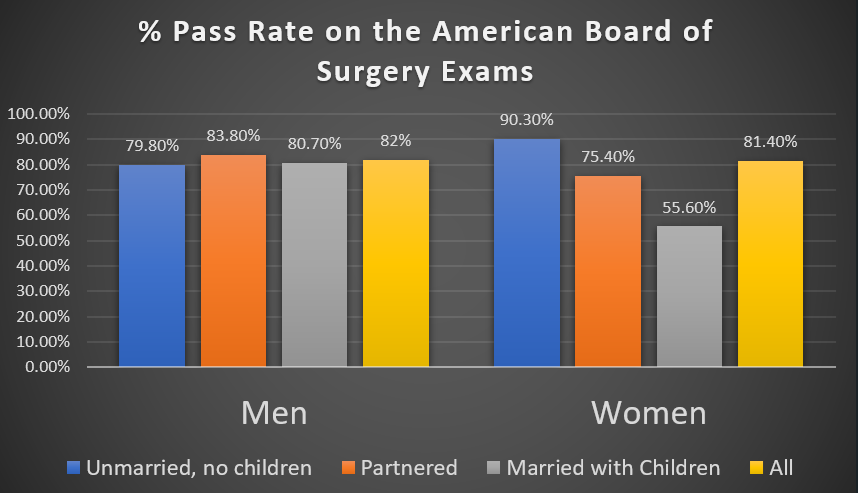
A study published in JAMA Surgery examining pass rates for the American Board of Surgery exams revealed a striking gender divide in how partnership and parenting affected performance. Single women recorded the highest exam pass rates at 90.3%, while married women with children had dramatically lower success rates at 55.6%. In contrast, marriage appeared to improve outcomes for men rather than hinder them.
Now I know you’re all shouting #notallmen at this piece right now and yes, there’s some fabulous men I’m privileged to have in my life (interestingly, none of them are lonely!). There’s also these facts:
approximately 51,100 women and girls were killed in 2023 by male partners or family members, equating to roughly 140 women and girls every day, or one every 10 minutes globally (UN Women).
Globally, about 1 in 3 women experience physical or sexual violence in their lifetime, most commonly by an intimate partner. (WHO/UN Women)
In Australia, on average, one woman is hospitalised every three hours due to domestic and family violence. (Australian Institute of Health and Welfare)
And with 63 million views of the rape academy website, recently reported by CNN, whilst it might not be all men, clearly it’s quite a few!
If someone offered me a box of Maltesers and said some were actually shit covered in chocolate, I’d pass and I’d be weary of them all – would you eat one out of the jar?
This is why women chose the bear over men and why there’s a male loneliness epidemic.
So how might men start tackling the loneliness epidemic themselves?
Here are three things women are looking for from a partner:
Someone who respects them and treats them as an equal
Someone that can share the load at home – we’re not your house maid/mother or child carer
A partner who can regulate their own emotions
Men aren’t lonely because women have high expectations, men are lonely because they’ve not evolved as women have had to, and now women have a choice. It’s not about the bar being too high (those are pretty basic requests above), it’s about men having to make an effort and it feeling unfair (because their fathers got away with not having to).
Yes it’s hard when things change, yes it’s hard when expectations evolve or the bar raises, it’s hard to have to fight for something that was once a right – just ask women who’ve been grappling with all this for centuries and are still more at risk of harm from a man (especially one they know) than any man is anywhere.